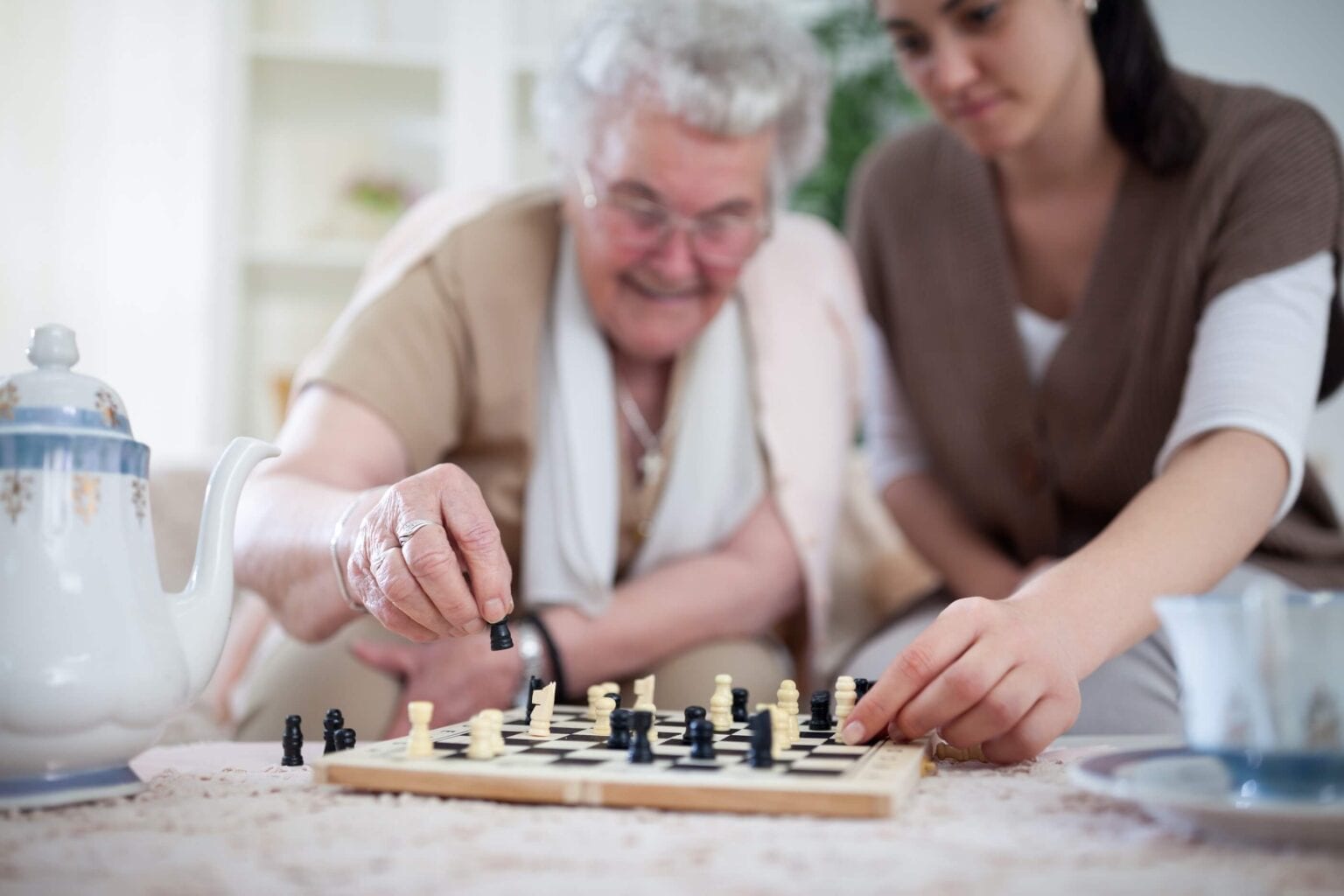
When supporting a loved one with dementia, many caregivers overlook the powerful role that colour can play in the home. But the link between colours and dementia is well-researched: the right use of colour can improve safety, reduce confusion, support memory, and even enhance mood.
This guide explores how colour affects people with dementia, and how you can use dementia-friendly colour choices to make you or a loved one’s home more supportive, calming, and safe.
Understanding colour perception in Dementia
As we age, changes in vision naturally occur. But dementia introduces additional challenges. Research shows that people with dementia may:
• Struggle to see low-contrast objects (e.g., a white toilet on a white floor).
• Have difficulty distinguishing between certain colours—especially blue and green.
• Respond best to high contrast and simple, bold colours.
• Still enjoy colour emotionally—blue, red, and green remain popular choices.
These changes mean that dementia-friendly colour design can be a practical tool in helping your loved one stay independent and comfortable at home.
How colour affects people with Dementia
Different colours can influence behaviour, perception, and mood. Here’s how:
• Blue: A cool, calming colour that can reduce anxiety and help lower blood pressure. Great for bedrooms or quiet spaces.
• Red: Stimulates brain activity and can draw attention. Use red to highlight important objects or areas.
• Green: The most restful colour, associated with nature. Promotes calm and clarity—ideal for living spaces or quiet rooms.
• Yellow: Bright and attention-grabbing. It improves visibility and is helpful in signage and small spaces.
• Orange: Warm and energetic, like red. It creates a cosy, friendly atmosphere in communal or social spaces.
• Violet: Offers mixed results emotionally, but may add a sense of luxury or tranquillity in moderation.
Understanding the emotional impact of colours helps you create spaces that either soothe or stimulate, depending on what your loved one needs most.
Dementia-friendly colour design tips for the home
1. Use colour to emphasise key areas
Help your loved one find important spaces and objects more easily:
• Use a brightly coloured toilet seat (like red or yellow) to contrast with a pale bathroom.
• Choose dark placemats under white plates to improve food visibility during meals.
• Paint bathroom or kitchen doors in bold colours to make them easier to locate.
• Use colour-coded signs with text and images to identify rooms like the toilet, bedroom, or kitchen.
2. Avoid colours and patterns that confuse
While colour can help, too much contrast or visual complexity can cause distress:
• Avoid busy floor patterns—they can appear as holes or barriers to someone with dementia.
• Steer clear of sudden floor colour changes, which might be seen as steps or uneven surfaces.
• Limit shiny surfaces that cause glare, which can make it hard to interpret objects or spaces.
3. Increase contrast for better visibility
Support independence and safety by ensuring good contrast between objects and backgrounds:
• Choose sofas or chairs that stand out clearly from the floor.
• Use a darker countertop if your sink is white (or vice versa).
• Make light switches and door handles stand out with contrasting colours.
• Ensure toilet bowls, sinks, and rails are clearly visible against walls and floors.
4. Choose colours that fit each room’s purpose
Using the right colours in the right spaces is a simple way to support emotional wellbeing:
• For calm and rest, use cool colours like blue or green in bedrooms or quiet areas.
• For energy and appetite, try warm tones like red, orange, or yellow in kitchens or dining rooms.
• In small rooms, use light colours to make the space feel larger and more open.
5. Lighting and colour work together
Colour only works when it’s visible. Since ageing eyes need more light to function well:
• Keep all rooms well-lit, especially halls, stairs, and bathrooms.
• Use soft, diffused lighting to avoid glare.
• Highlight switches, signs, and entrances with contrasting colours and lighting.
A Dementia-Friendly Home
You don’t need to be an interior designer to make your home more dementia-friendly. Small changes in colour—like a red toilet seat, high-contrast table setting, or blue bedroom wall—can significantly improve daily life for your loved one.
By understanding the connection between colours and dementia, you can:
• Reduce confusion and visual stress
• Promote independence and dignity
• Enhance mood and create a more comfortable environment
Looking for visiting or live-in support?
These thoughtful changes can turn your home into a place of calm, safety, and familiarity—something every person with dementia needs. If you’re looking for support at home for you or a loved one – then we’re here for you. Please contact us on 0800 138 4030 or email: [email protected]
Arrange home care for a loved one
We understand choosing to have care delivered in your own home can be a daunting task and that’s why we are here to guide you through the process, every step of the way.






Care you can trust
We are committed to investing in systems, training and procedures to ensure that we are able to deliver a superior level of service which is timely and reliable.
In addition to first class carers we have a strong home care management team in place which is dedicated to ensuring that all of our clients and their families are happy with the service being provided.
Schedule a free assessment
Get in touch to speak with our care team about your ideal care plan.